
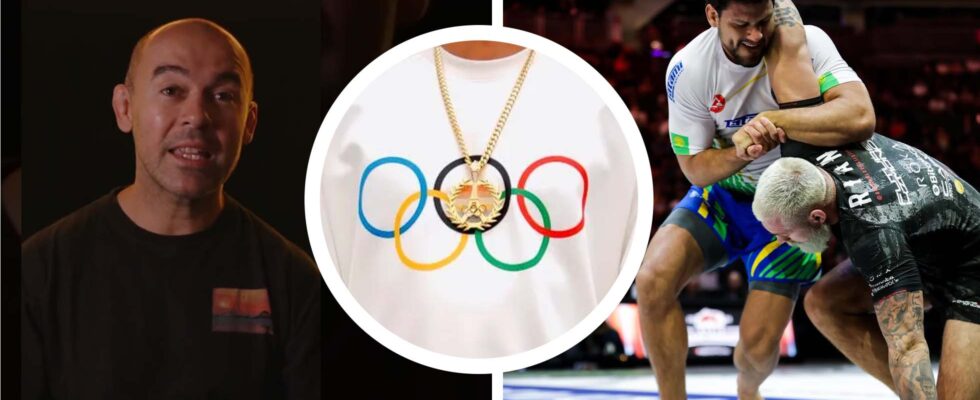
Marcelo Garcia, one of the most decorated and respected figures in Brazilian Jiu-Jitsu , has shared his views on the possibility of the sport being included in the Olympics. While the idea of Olympic recognition excites many practitioners and fans, Garcia believes that BJJ’s organic growth and professionalization may render the Olympic stage unnecessary. Speaking on The Ariel Helwani Show, Garcia reflected on the sport’s future and its place on the global stage.
Olympic Dreams and Realities
When asked about the potential for BJJ to become an Olympic sport, Garcia expressed optimism but tempered it with a pragmatic view of the sport’s trajectory.
“I believe it could happen,” Garcia said. “But maybe jiu-jitsu is going to be even bigger than the Olympics. Maybe jiu-jitsu doesn’t need to go to the Olympics. It’s going to be such a professional sport, like MMA.”
Garcia’s comments reflect the rapid evolution of competitive BJJ. Once considered a niche discipline, the sport has expanded significantly in recent years, with organizations like ADCC, IBJJF, and professional promotions showcasing elite grappling talent on a global stage.
Growth Beyond the Olympics
Garcia highlighted how BJJ has already begun to thrive outside of traditional frameworks, carving its own professional path.
“I just want the jiu-jitsu to keep growing just because I feel like we need jiu-jitsu in our life,” Garcia said. “And the reason why, because we get connected to people deeply and that’s my whole goal in jiu-jitsu.”
For Garcia, BJJ’s value extends beyond competition, offering personal growth, community, and connection. This perspective aligns with the sport’s grassroots culture, which has driven its growth from local academies to global arenas.
A Transforming Landscape
Garcia’s comments come at a time when BJJ is enjoying unprecedented exposure. Major events like the ADCC World Championships now attract widespread attention, with fans tuning in from across the globe. The sport’s professionalization, bolstered by the emergence of superstars like Gordon Ryan, has elevated its status to new heights.
Yet Garcia remains cautious about the compromises that could come with Olympic inclusion, such as rule changes to accommodate different audiences or formats that may dilute the sport’s essence.
A Return to Competition
Garcia’s reflections on BJJ’s future come as he prepares for his own return to competition. After a 13-year hiatus, he will face Masakazu Imanari at ONE Championship on January 24th in Thailand. His comeback is not only a testament to his enduring skill but also a chance for his children and the next generation of practitioners to see a legend in action.
A Bright Future
Whether or not BJJ eventually makes it to the Olympics, Marcelo Garcia’s vision for the sport remains clear: continued growth, deeper connections, and a professional framework that allows practitioners to thrive. His belief that BJJ can grow bigger than the Olympics reflects the sport’s current momentum and the possibilities that lie ahead.
As Garcia puts it, the true goal is not medals or recognition but the transformative impact of jiu-jitsu itself.
