
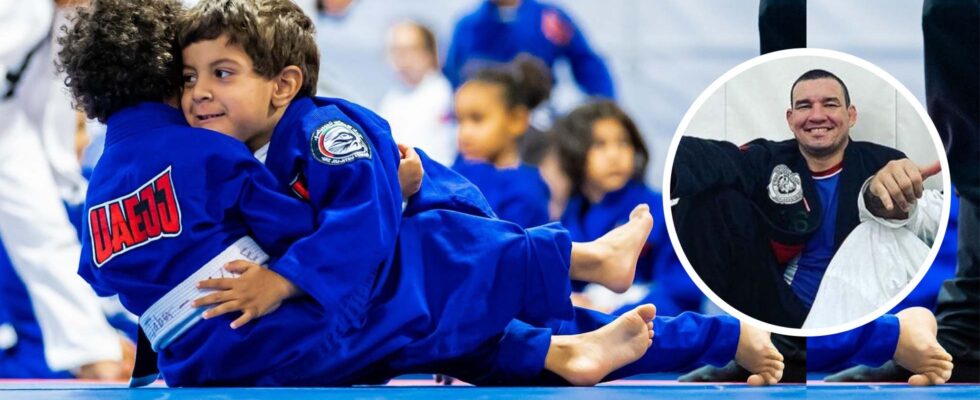
Brazilian Jiu-Jitsu black belt Rodrigo “Comprido” Medeiros has publicly challenged comments made by fellow instructor Fabio Gurgel regarding the implementation of jiu-jitsu programs in public schools. In a recent episode of the Connect Cast podcast, Comprido criticized what he considers a “selfish” and “ignorant” stance from Gurgel.
“I think, with all due respect to Fabio, I think that comment is ignorant,”
Comprido stated during the podcast.
The controversy stems from Gurgel’s position that jiu-jitsu in public schools could negatively impact his business interests. Comprido strongly disagrees with this perspective, calling it shortsighted and detrimental to the sport’s growth. He argues that public school programs would serve as a pipeline, ultimately benefiting professional instructors rather than cannibalizing existing academies.
“The school can filter who will be there,”
he explained, emphasizing that proper vetting and oversight could ensure quality instruction. Comprido advocates for empowering qualified teachers to work in public schools, noting that established instructors like Gurgel could train them, creating a professional pathway while expanding the sport’s reach.
Drawing from historical context, the expansion of Brazilian jiu-jitsu into structured institutional programs is not a new concept. As early as 2015, Abdul Munam Al Hashimi, Chairman of the UAE Jiu Jitsu Federation, highlighted the power of integrating jiu-jitsu into formal structures:
“Jiu-jitsu is a curriculum in more than 100 schools, there are more than 15 official jiu-jitsu centers that are under the supervision of the UAEJJF, and we are also currently working on building seven new jiu-jitsu centers across the UAE,”
he stated, illustrating how government-backed programs can create a scalable platform for the sport.
Similarly, Kid Peligro observed the transformative potential of strategic institutional support:
“That was [Sheikh Tahnoon’s] master plan, to get the sport so big that it would be in the Olympics,”
Peligro noted, adding that without such resources and energy, Brazilian jiu-jitsu would have remained niche and largely unknown in regions outside Brazil.
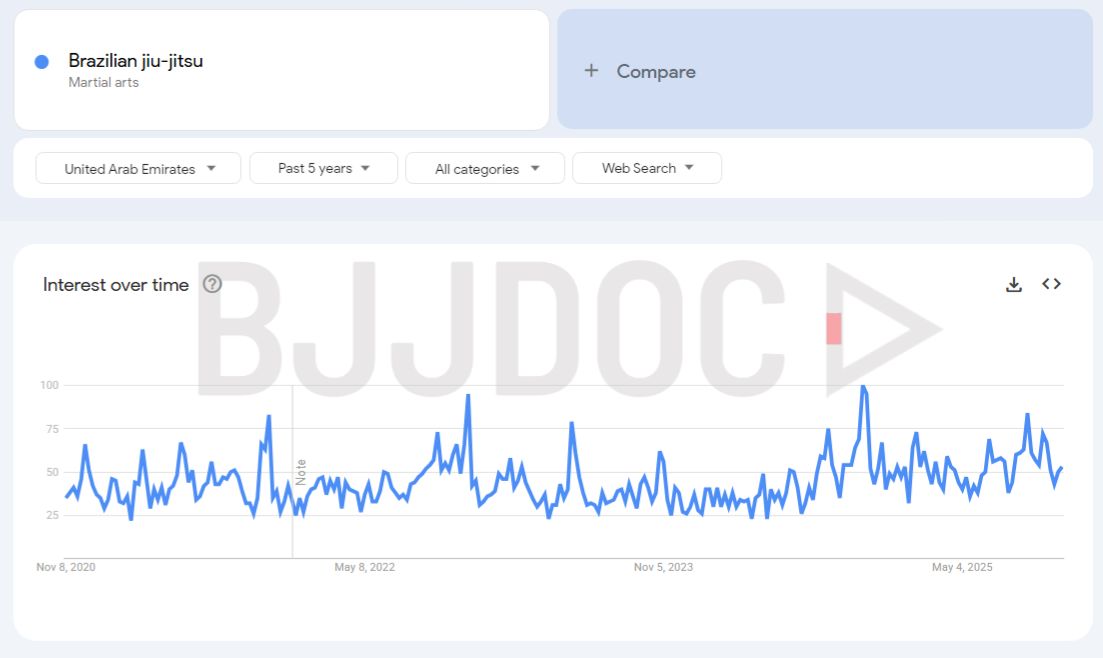
Comprido’s argument echoes these precedents. He points out that access to jiu-jitsu through public school programs could create pathways for youth from diverse backgrounds, enabling them to pursue careers in the sport while building discipline, confidence, and professional opportunity. He draws parallels to sports programs in the United States, which serve as launchpads for university scholarships and professional careers.
“Tell me one developed country that doesn’t encourage sports in the school environment,”
he challenged, underscoring the educational and societal benefits.
On the question of funding, Comprido dismissed financial objections:
“You’re already paying for it somehow,”
he said, noting that public money already supports various programs, some less impactful than martial arts instruction.
For Comprido, the choice is clear: expanding access to jiu-jitsu through public schools not only promotes the sport’s long-term growth but also strengthens the talent pool from which professional instructors and academies can benefit. Far from threatening established businesses, public programs represent an investment in the future of Brazilian jiu-jitsu.
