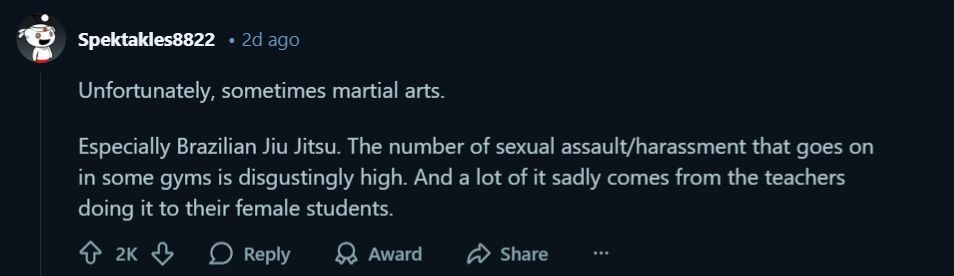
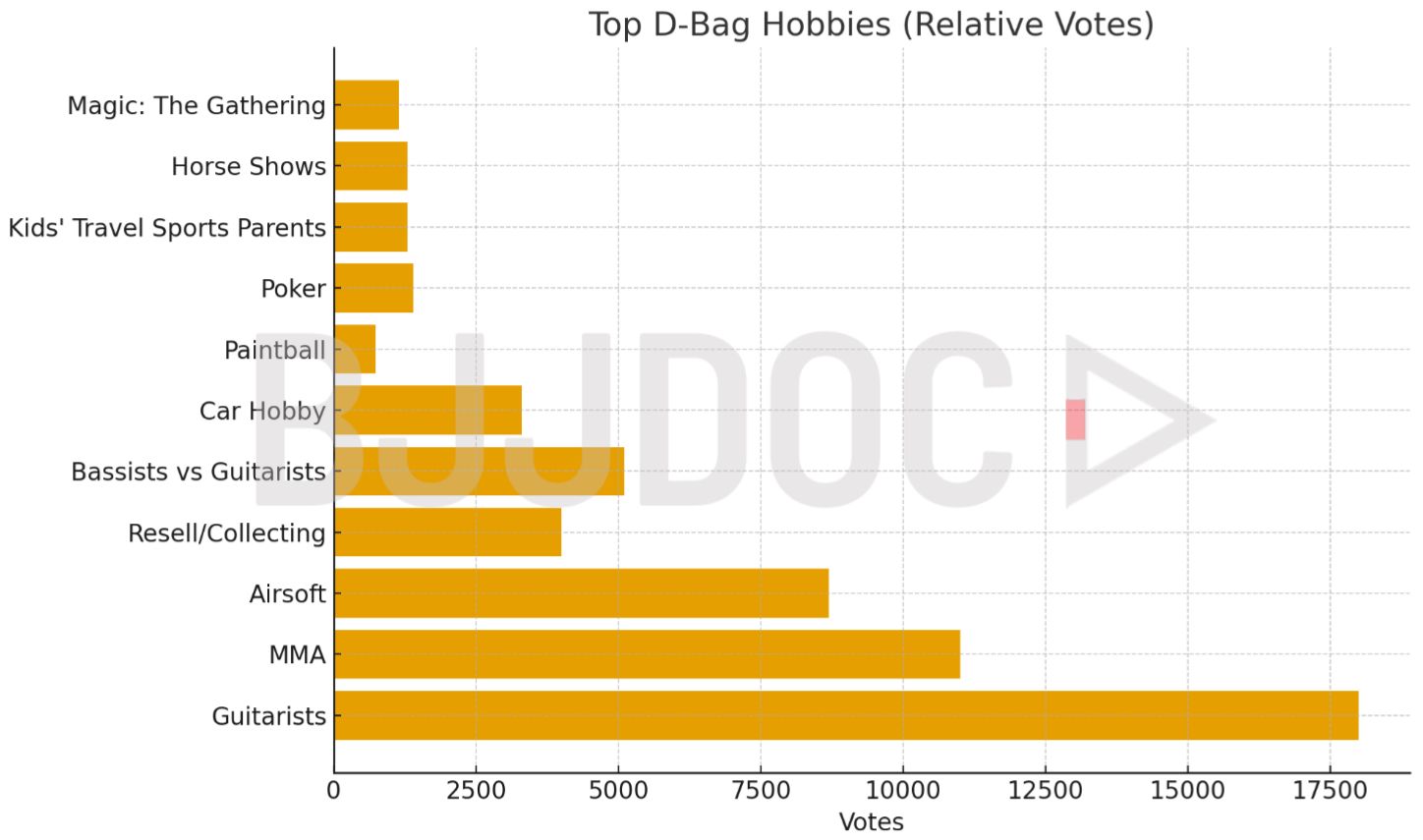
Discussions about which hobbies attract the worst people have taken an unexpected turn. Jiu-jitsu and MMA communities are now facing criticism from long-time participants and observers.
Martial arts are often praised for discipline, respect and fitness. A growing wave of voices is now pushing back with claims that some combat sports environments hide a darker side. Conversations focus on masculinity, ego-driven behavior and the surprising differences between distinct martial arts cultures.
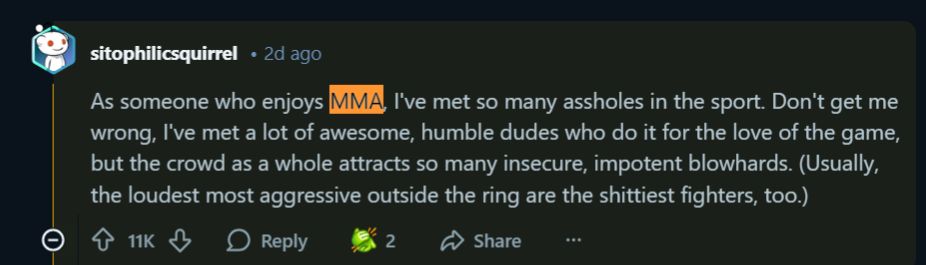
“As someone who enjoys MMA, I’ve met so many a**holes in the sport. Don’t get me wrong, I’ve met a lot of awesome, humble dudes who do it for the love of the game but the crowd as a whole attracts so many insecure, impotent blowhards.”
The commenter added that the people who act the toughest outside training often perform the worst once the session begins.
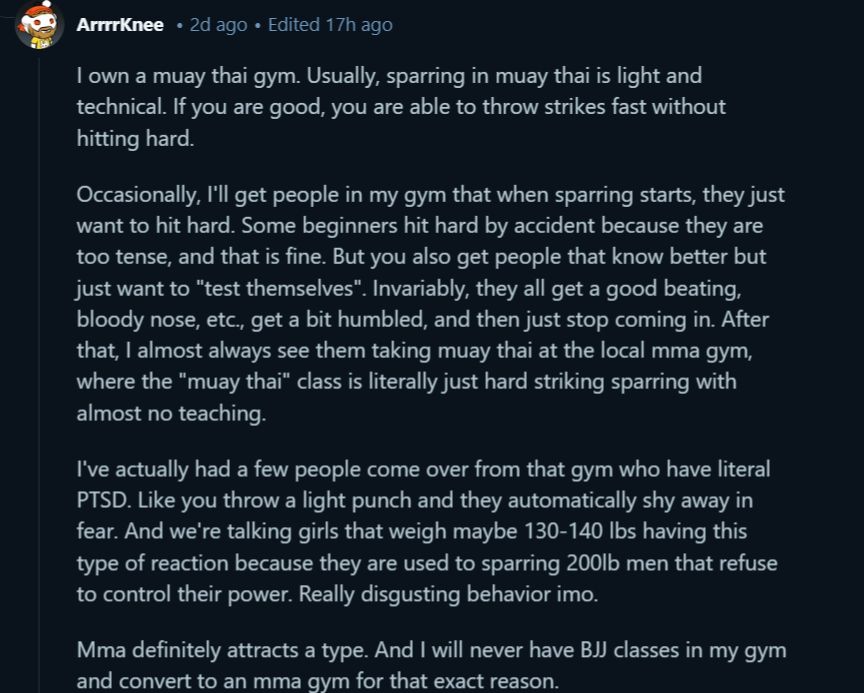
Criticism goes beyond personality issues. One muay thai gym owner described a pattern that changed how they run their business. They explained that sparring is usually light and technical in their discipline. Skilled practitioners throw strikes with speed while maintaining control.
Certain individuals disrupt that culture completely. These newcomers want to “test themselves” and often disregard the technical nature of the session. They end up taking a hard lesson, feel humbled, then quit.
The same gym owner described students who left MMA gyms showing signs of genuine trauma. They said some people would flinch from even light contact. They recalled women at around 130 lbs (59 kg) to 140 lbs (63 kg) being paired against men at 200 lbs (90 kg), with the men refusing to reduce their power. The owner called it “really disgusting behavior.”
Different martial arts cultures operate with drastically different norms. Several practitioners mentioned the respectful nature of muay thai, especially when trained under Thai instructors. An observer noted that athletes can elbow each other into a messy state then hug and bow with sincerity once the bell stops the round.
.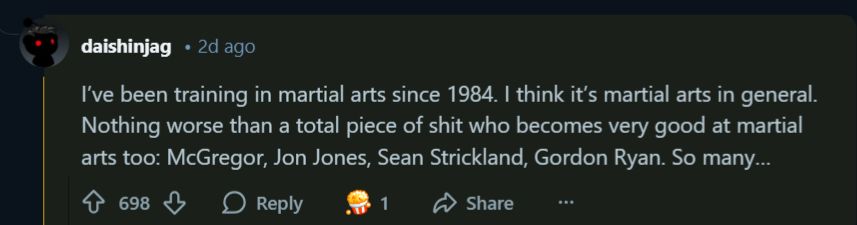
This ego-heavy dynamic shows up far outside training too. One practitioner who has trained since 1984 said:
“Nothing worse than a total piece of s**t who becomes very good at martial arts too.”
They pointed to well-known controversial professionals as examples.
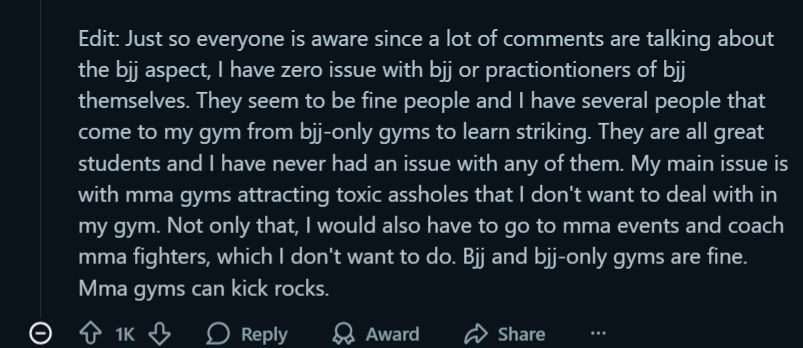
The issue hits MMA gyms hardest. These facilities seem to attract people seeking validation through aggression instead of skill development. The muay thai gym owner said they had no interest in adding BJJ or switching to an MMA format because of the clientele such places tend to attract.
Some practitioners pushed back, arguing that BJJ-only schools and traditional martial arts gyms maintain more positive cultures. This suggests the problem lies not in the arts themselves but in environments that reward ego over respect.
When money, ego and physical dominance mix together, some hobbies become magnets for individuals more interested in projecting toughness than learning anything meaningful.
For anyone considering martial arts, experienced practitioners share one clear message: choose your gym carefully. The instructor matters less than the culture that defines the room. Many martial artists are dedicated and humble. The loudest and most aggressive tend to be people trying to mask insecurities that no amount of training fixes.
Martial arts still offer many positives but some environments drift far from the discipline and respect these traditions were built on.