

For twelve years, Deputy Andrew Roxas has patrolled with the Los Angeles County Sheriff’s Department, and for much of that time, he has spent his off hours on a mat rather than in a gym doing conventional workouts.
Roxas, now assigned to the Community Partnerships Bureau, has built a reputation both as a decorated Brazilian Jiu-Jitsu competitor and as a deputy who treats what he learns in competition as material for the job itself.
Roxas came to the sport looking for something practical. He wanted another option available to him during difficult encounters on patrol, a way to handle situations that don’t call for force but still require control.
“I just wanted to have another tool on my tool belt for our interactions,” Roxas said.
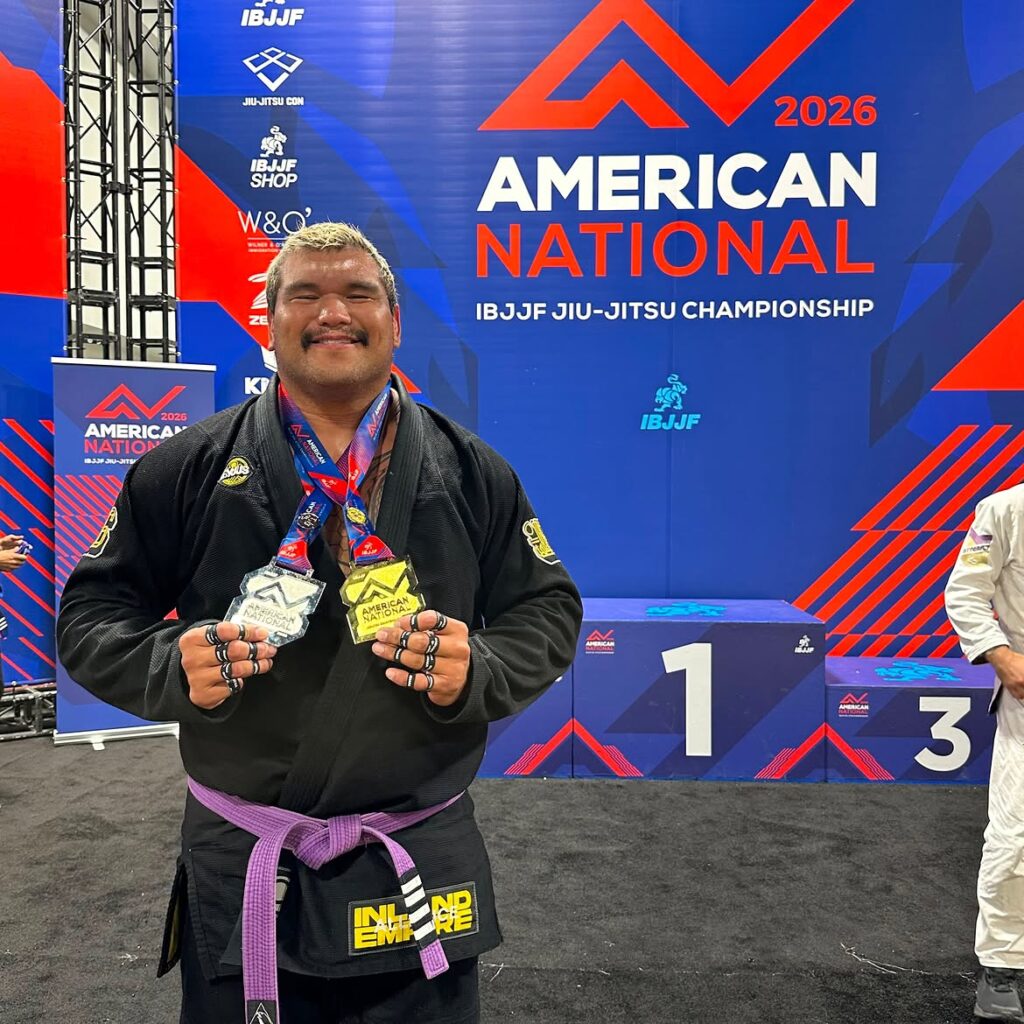
That need comes up more often than people might expect. Not everyone a deputy approaches is willing to cooperate, and Roxas has found that grappling gives him a way to manage those moments without the situation escalating unnecessarily.
“Sometimes we get into contact with people who don’t want to be arrested,” he said.
In those cases, BJJ techniques offer a route to gaining control of someone while keeping both the deputy and the individual safe from unnecessary harm, an approach Roxas has come to rely on as an alternative to more physical methods of restraint.
Roxas is candid about recommending the sport to colleagues, and his pitch is straightforward. Law enforcement work wears on the body over years, and jiu-jitsu, in his view, is one of the more effective ways to counteract that toll while also sharpening the mind.
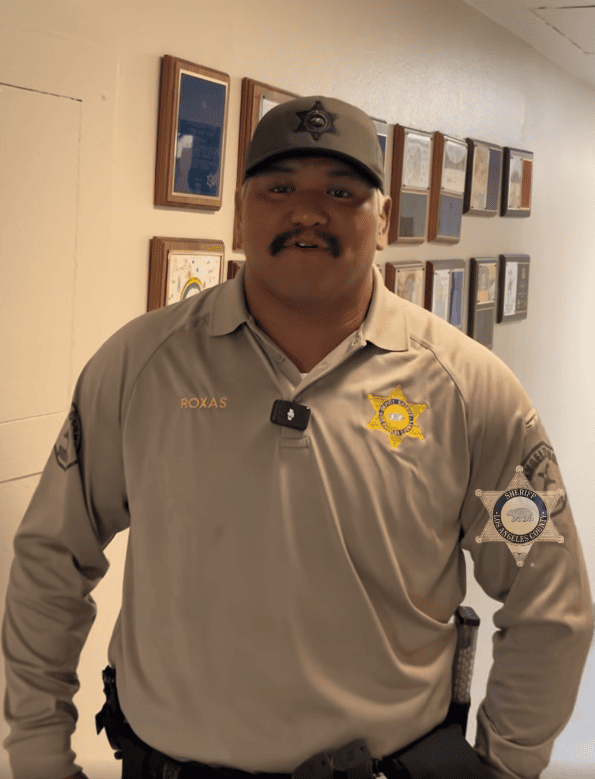
“For a deputy, especially anyone in law enforcement, if you have any interest in training Jiu-Jitsu at all, I would say go for it,” Roxas said. “With our job, it’s very demanding on our bodies. This is a chance for you to build your body and build resilience. Not only strength, but mental toughness as well.”
That mental toughness matters just as much as the physical conditioning, Roxas said, since the discipline required to train consistently mirrors the composure needed to handle unpredictable calls on duty.
Competing at a high level while holding down a full law enforcement career is its own challenge, one Roxas doesn’t pretend is simple. Between managing patrol responsibilities and preparing for tournaments, the balancing act requires constant adjustment.
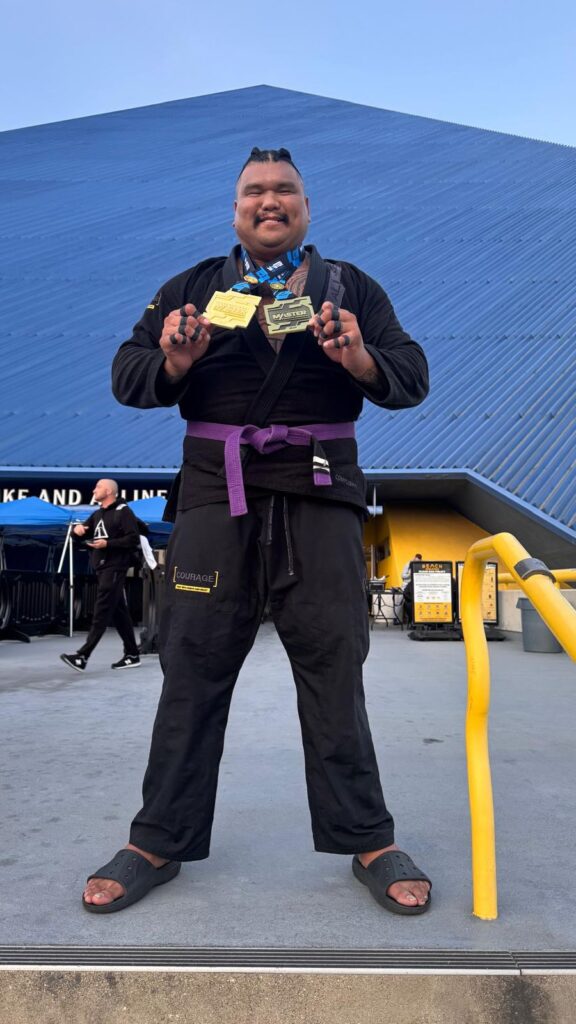
“Being able to do both at a high level is a different kind of demand,” he said.
His schedule at the Community Partnerships Bureau doesn’t always follow a predictable rhythm, which means his training has to bend around his work rather than the other way around.
“At Community Partnerships Bureau, we run operations during the day and in the evenings. So just depending on what we do here, I fit my training around it,” Roxas said.
Family factors into that equation too. Roxas has daughters of his own, and the same philosophy he applies to squeezing in training sessions around a demanding job is one he passes on to them directly.
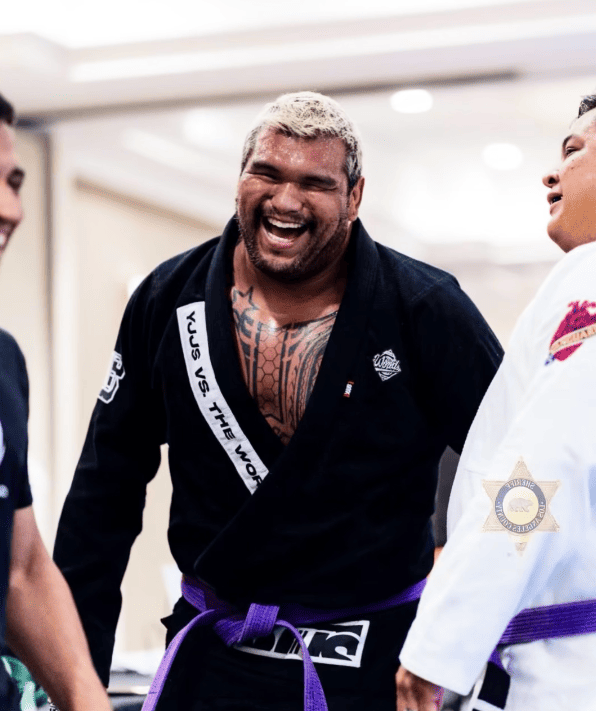
“Like I tell my daughters, if it’s important to you, make it work,” he said.
It’s a simple line, but it captures how Roxas has approached both his athletic pursuits and his career for over a decade. He doesn’t frame the two as competing priorities so much as complementary ones, each reinforcing the discipline the other requires.
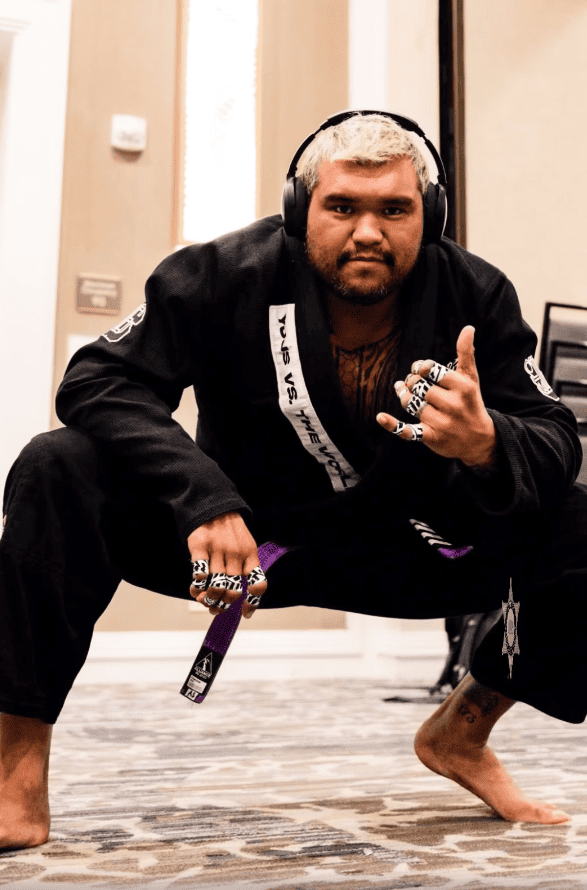
“And fortunately for us, I’ve been able to do both at a high level,” Roxas said.
For Roxas, the mat and the patrol car aren’t separate worlds. The composure, patience, and physical control he builds through competition follow him directly into his interactions on the job, shaping not just how he responds to difficult moments but how he prepares for them long before they happen.
