
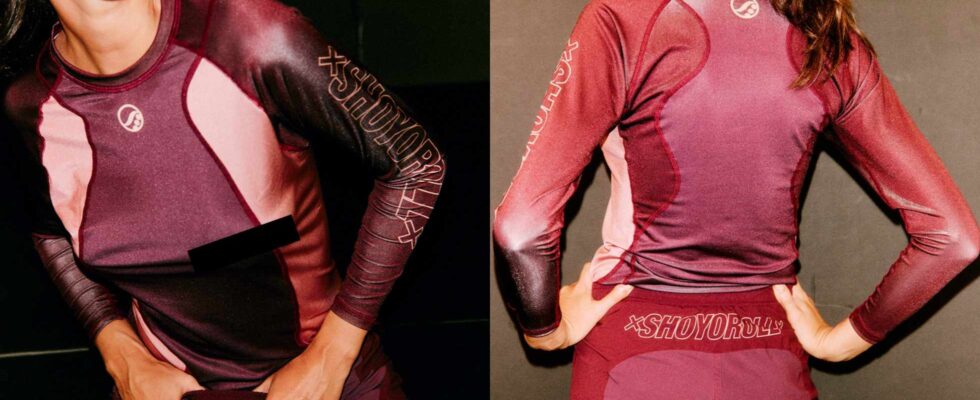
Shoyoroll, one of Brazilian jiu-jitsu’s most recognizable gear brands, ignited a wave of community criticism this week after posting an Instagram campaign for its ROAN TVT rashguard that many practitioners considered deeply tone-deaf.
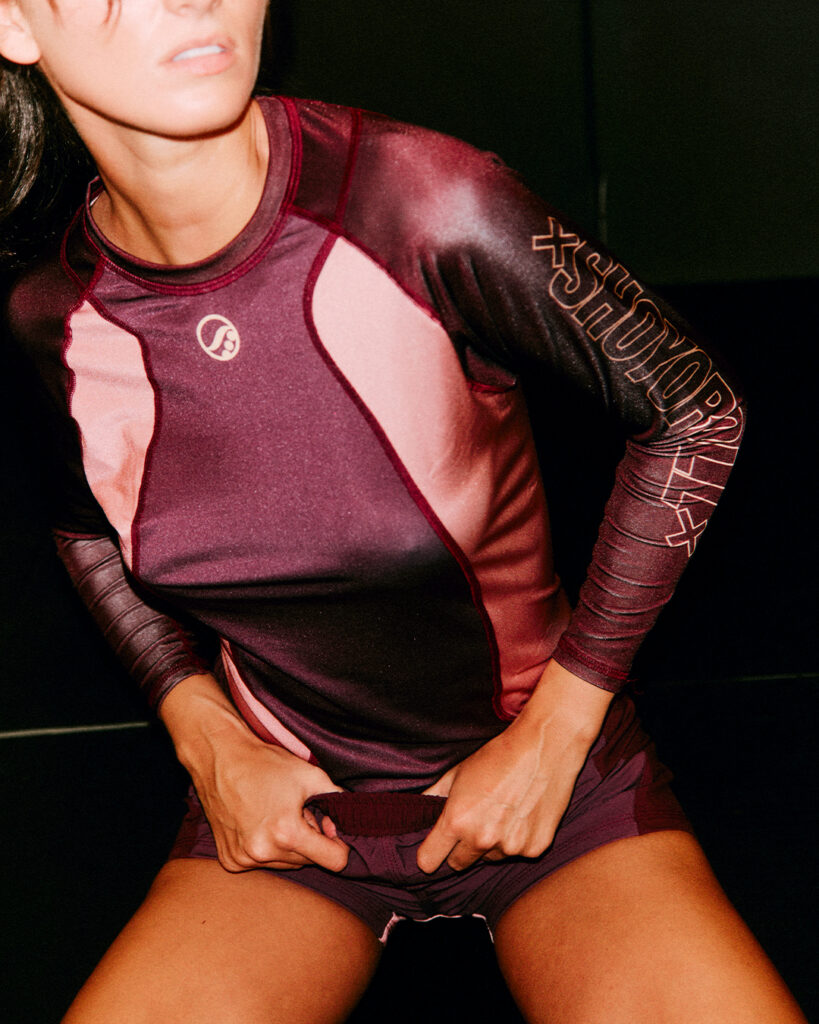
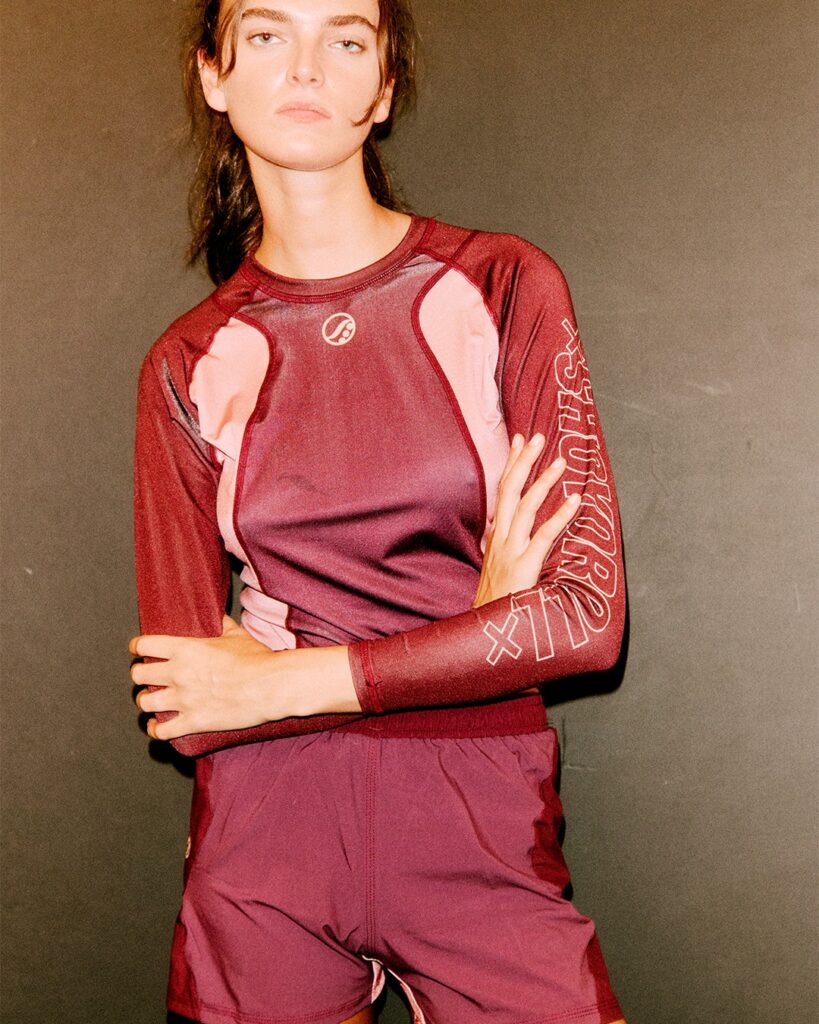
The post featured a model in what appeared to be a deliberately braless look, and the reaction was swift.
Within hours, the comments section had filled with pushback from practitioners, coaches, and fans who saw the campaign as a cynical attempt to use sex appeal to move product in a sport already wrestling with serious concerns about how women are treated and represented.
“This is so weird with everything that’s happened in the community the past couple years,” wrote an Instagram user. “We’re going backwards,” added another.

The core criticism was consistent: no woman who actually trains jiu-jitsu competes or rolls without proper support. The imagery did not reflect the reality of what female practitioners wear or experience on the mat, leading many to question who exactly the campaign was designed for.
“Not using real athletes is one thing,” wrote another. “Not even trying to make it look like actual jiu-jitsu is another. No woman who trains is rolling without a sports bra. If you’re selling jiu-jitsu apparel, why sexualize the sport instead of representing the people who actually practice it?”
The reaction was nearly universal. “If you actually train, you know no bra ain’t it,” wrote another user.

Several commenters noted that the timing made the campaign all the more jarring. The past few years have seen the BJJ community navigate a significant number of misconduct cases involving coaches and instructors, making practitioners particularly sensitive to anything that sexualizes training environments or the women in them.
Some pointed to the practical absurdity of the imagery itself. The rashguard appeared loose-fitting, which several practitioners noted would be entirely non-functional during actual training. “Not only is this weird because of the no bra look,” wrote an user, “but it also shows your material is whack, because rash guards should be tight fitting, not loose.”
This is not the first time such backlash has happened. Concerns have been raised repeatedly by female practitioners who say this type of marketing sends the wrong message about women’s jiu-jitsu.
Blue belt Maya Nazareth has previously argued that while there’s nothing wrong with female athletes embracing their appearance, brands cross a line when they deliberately frame women in ways that draw attention to their bodies instead of the product or their athletic ability. She has warned that these campaigns make it harder to convince newcomers that BJJ is a serious sport rather than a sexualized environment.
Purple belt Sirena Allen-De Guzman has voiced similar concerns, arguing that women in jiu-jitsu are too often valued for their appearance instead of their technical achievements. She has pointed out that social media frequently promotes staged, revealing images of female grapplers over competition highlights or instructional content, creating poor role models for young girls entering the sport.
